Christopher Carlin, Psy.D. of Psylin, Inc.
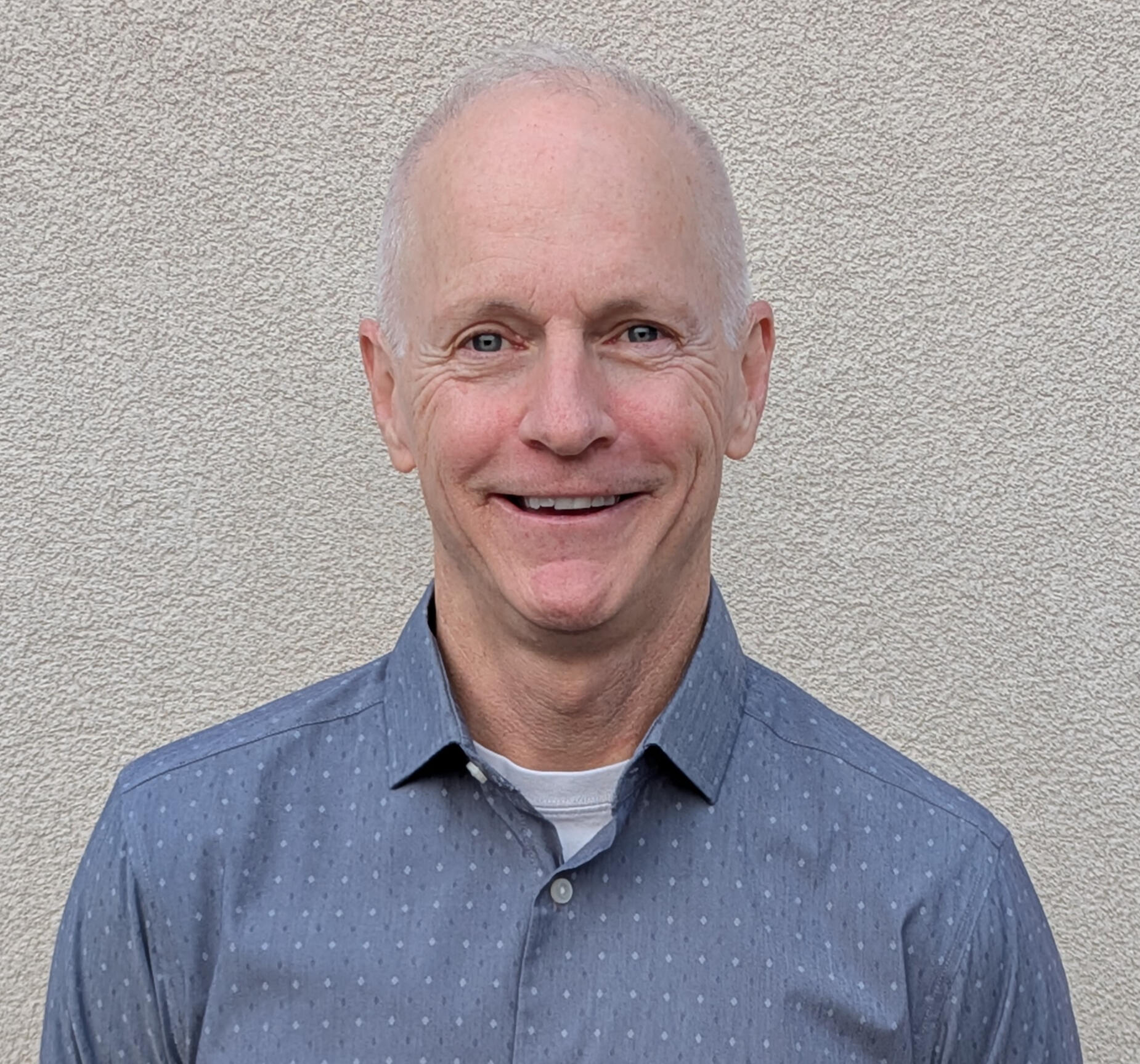
Christopher Carlin, Psy.D.
Clinical Psychologist
I work with adults who struggle with depression, anxiety, and/or trauma, the latter including complex types.

The Therapy Process
In general the therapeutic process proceeds as follows: For the first session, the diagnostic intake, I ask a lot of questions about a client's life. These questions include presenting complaints and
symptoms, what a client has already done to address these issues, medical and family background, as well as other categories and queries.If more in depth information is required psychological testing may be recommended (note: usually made by referral to a testing psychologist).Following the diagnostic intake treatment planning is addressed--setting up particular goals and objectives for therapy. These goals and objectives help to guide the therapeutic process and progress.After the diagnostic intake and treatment planning, what is typically thought of as therapy, e.g., "talk therapy," begins--as per the theoretical orientation utilized and integrated. Progress can be evaluated by verbal report and various therapy measures. In the case of EMDR (see below), the process can be a bit more formalized (e.g., 8 phases of EMDR therapy) and is frequently assessed by self report and measures addressing emotional and cognitive aspects.
Some Things About Me Personally and Professionally
I'm originally from the Northeast. I went to graduate school in Chicago in the mid-nineties and have been a practitioner since 1995. I've worked in Chicago and SW Missouri and now most of my clientele are from the KC and surrounding areas.There's a saying that one's social class is not where a person ends up socially but where a person comes from. In this regard I believe my working class background has some impact on how I understand the world, how I live in it, and how I relate and work with others.I really enjoy regular exercise and have exercised for many years. I am prone to think that the healthier our bodies are the healthier our minds and spirits tend to be. Taking a particular client's life situation into account (e.g., physical strengths vs. physical and medical challenges) I often support him/her to take on a more active lifestyle--as long as this lifestyle is consistent with professional medical guidance. It strikes me that our society's emphasis on comfort, entertainment, distraction, consumerism and conformism often has lots to do with clients' presenting problems and life struggles.
It means a lot to me to be of help
Hopefully not to sound high-minded but I think it's fair to say I'm doing the work I was meant to do. It means a lot to me to help others make real, positive changes in their lives. (Note: I readily admit, however, as it is for all therapists, such outcome is not always the case and sometimes a particular client would benefit more so working with another provider).I would like to mention that, career-wise, I'll probably cut back on my weekly hours at some point though I am not sure if I will ever retire except for certain circumstances.
I'm more prone to help a client make concrete, adaptive changes in his/her life instead of reinforcing one's personal status quo.
I don't hold the belief that clients, and people in general, are okay just the way they are. To remain stagnant as such over time is a problem.In psychological terms many clients present with an "external locus of control"--e.g., holding a belief that they do not have much impact on their lives. Therapy helps with fostering just the opposite aspect, that is, having an internal locus of control. In part this means strengthening a client's self-initiative and personal efficacy to meaningfully affect his/her life situation.The ethic of being compassionate for others, I believe, is a balancing act. Sometimes more support and empathy is called for while other times more firmness and challenge is called for.
I hold a growth orientation in both my own life and clients' lives.
I believe most people's true nature is to grow in meaningful ways over time.Some examples of this in my own life include having received my own therapy, having attended 12-step groups, reading and listening to podcasts on psychology topics, regularly exercising, and so on.It appears social media (see below) reinforces the idea that the only comparison to make in determining self-worth is between oneself and others.However, the optimum--and really only valid--comparison to make is with oneself compared to the days and weeks prior.
Individual Responsibility
I see individual responsibility, taking into account one's life situation, as a path to personal well-being.A proneness to being a victim, while possibly quite true historically or presently, is ultimately counter to personal well-being.Often therapy is helping a client work through and heal from their actual or perceived victimization to a point of empowerment, strength, and resilience.
CPTSD and Narcissism
Persons abused/traumatized by narcissistic type individuals have long been an interest of mine."CPTSD" (Complex Post Traumatic Stress Disorder) is one way to describe those impacted by the attitudes and actions of narcissistic others."Narcissistic abuse" can include not just outright abuse and exploitation but as well an inability to "see" or appreciate others in their own right and essence.I'm interested in narcissism on a societal level as well. Narcissism appears to be an increasing phenomena throughout Western societies.
Social Media, Cellphones, Artificial Intelligence, etc.
I'm definitely ambivalent about modern technology.Though I see the value of it, I'm increasingly concerned where technological changes are going and how they affect individuals. Some concerns include how individuals appear less and less able to relate to others and how individuals overemphasize immediate gratification. Additionally, I'm concerned how people will have the opportunity for gainful work, if not fulfilling work, in the near future with the advent of artificial intelligence.I myself am not on Facebook nor the other social media platforms. I do not research clients' backgrounds or life problems on social media rather relying primarily on the therapeutic interview and the therapy relationship over time.
Christopher Carlin, Psy.D.
- 30-years working as a therapist.
- Educated/trained at the Illinois School of Professional Psychology (Chicago).
- Motivated to help clients make positive life changes.
- Trained in various theoretical orientations.
- Deeply appreciate the work I do-- helping others through the therapeutic process as well as always learning about psychology.
- Many of my referrals come from former clients which, I believe, is the best kind of marketing.
Understanding My Therapeutic Orientation
I utilize an integrative therapy approach. I believe the underpinning of this approach is existential/humanistic: e.g., how does a person live his/her life with purpose, self-responsibility, solitude and aloneness, interpersonal connection, and mortality issues. Below indicates therapeutic theories I utilize and integrate with this existential underpinning depending on a client's particular situation and presenting issues.
Cognitive-Behavioral
Helping clients better understand their idiosyncratic, problematic core beliefs, self-thoughts, and automatic assumptions. In turn, helping clients begin changing such cognitive aspects, along with corresponding behaviors and feelings, in ways they choose to help improve their lives.
Psychodynamic
Psychodynamic therapy focuses on recognizing, acknowledging, and understanding, as well as working-through, certain non-adaptive feelings and experiences from one's past to help improve relationships to self and others in the present.
Family Systems
Whereas I no longer work with families I do appreciate this orientation in better understanding an individual's situation and how to help therapeutically. One way of understanding this orientation is knowing that clients often have certain negative family roles (e.g., the scapegoat), and negative family rules (e.g., children are only to be seen, not heard), that they still live by.
EMDR
A type of therapy originally developed for treating trauma though now is used as well for depression, anxiety, grief, and OCD, among other presenting problems. Some ways EMDR can be considered unique includes its use of bilateral stimulation (i.e., visual, auditory, or tactile) and it's emphasis on somatic experience in providing valuable therapeutic information.
Testimonials
Though clients have offered to leave testimonials for me I've decided not to include them on this website. Two reasons for this include that a psychologist's code of ethics prohibits soliciting testimonials and the matter of confidentiality as an ethical issue.
I would like to note, however, that lots of my current and former clients have come from referrals from other clients. Also, on my PsychologyToday directory site two colleagues have left endorsements.I think the best way to help ascertain if a therapist might be a good fit for a client is to interview the therapist. Both Alice Miller's recommendation on how to do this (https://www.alice-miller.com/en/faq-how-to-find-the-right-therapist/) and Pete Walker's section on this topic in his book, "Complex PTSD: From Surviving to Thriving" are good resources in this regard.
Some Quotes
"If you do not express your own original ideas, if you do not listen to your own being, you will have betrayed yourself." Rollo May"You gain strength, courage, and confidence by every experience in which you really stop to look fear in the face." Eleanor Roosevelt"The ability to be in the present moment is a major component of mental wellness." Abraham Maslow"In order to become whole we must try...to discover our own personal truth, a truth that may cause pain before giving us a new sphere of freedom." Alice Miller"...[N]o price is too high to pay for the privilege of owning yourself. " Friedrich Nietzsche
Pricing Options
Consultation
Free
An initial, brief, general consult
- 15-Minute Consultation
- Address your primary problems and what you are hoping to achieve in therapy
- Each party can ask some preliminary questions to help ascertain if we might be a good fit to work together.
- If all seems good set up a time and place (e.g., telehealth or in-office) for the initial diagnostic session.
Self-Pay
$150 - $185
$150 for a 45- to 50-minute individual therapy session. $185 for the initial 60 minute (approximate) diagnostic intake session.
- Pay by credit card, HSA card, cash, or check.
- If paying by credit card or HSA card an encrypted, industry standard secure payment app is used (IVY).
- A "superbill" can be written up to give to your insurance company for partial reimbursement.
- Choose weekly sessions or sessions every two weeks, or monthly (note: depending on the clinical situation, however, more frequent sessions may be recommended/indicated).
Medical Insurance
See below for in-network insurance carriers.
Will take payment as indicated by contractual arrangement with each respective insurance carrier.
- Blue Cross/Blue Shield
- Aetna
- United Healthcare
- Medicare and Missouri Medicaid
- Healthy Blue
Book Your Free Consultation
Though I provide the form below I recommend you contact me directly at 417-321-4881 or directly at my secure email address at [email protected]. If you choose to contact me by the form below you explicitly understand this form is not a HIPAA compliant means of communication and your privacy is not guaranteed. You acknowledge that you are at least 18-years of age or older if you submit this form.
Legal Disclaimer: The Information contained within this website is provided for informational purposes only and should not be substituted for a therapeutic relationship. No diagnosis or treatment is being provided by the use of this website. Psylin, Inc. is not responsible for any misinterpretation of the information provided in this website or any consequences resulting from the use of this information. Psylin, Inc. takes no responsibility for other sites or links referenced herein.